Excavation and
Conduit Work
Build the path for what comes next. From opening a route across an existing site to bringing conduit into the building, 1GC connects hands-on construction with a clear understanding of datacom infrastructure.
Discuss your project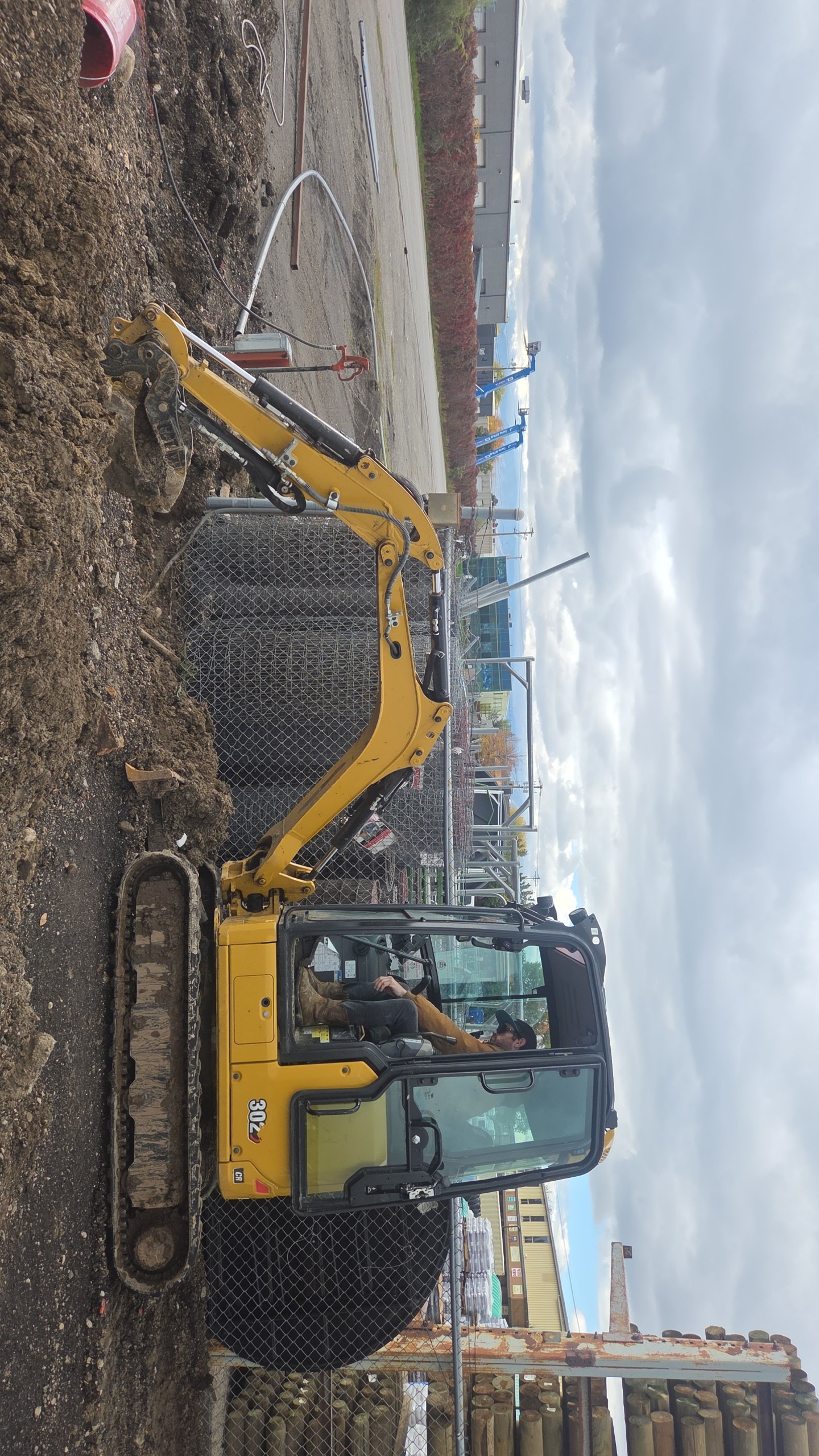
Construction meets connectivity
The infrastructure behind the connection.
A cable route begins well before cable is pulled. It involves the ground, the surfaces above it, the path into the building, and the equipment it will serve. As a general building and engineering contractor with a datacom focus, 1GC looks at those pieces together.
Prepare the route
Plan the work around site access, existing surfaces, building entry points, and the intended pathway.
Install the pathway
Coordinate excavation and conduit work so the physical route supports the infrastructure planned for it.
Connect the scope
Bring site work and building transitions into the same conversation as fiber, copper, and connected systems.
01 · Site preparation & excavation
Make room for the new route.
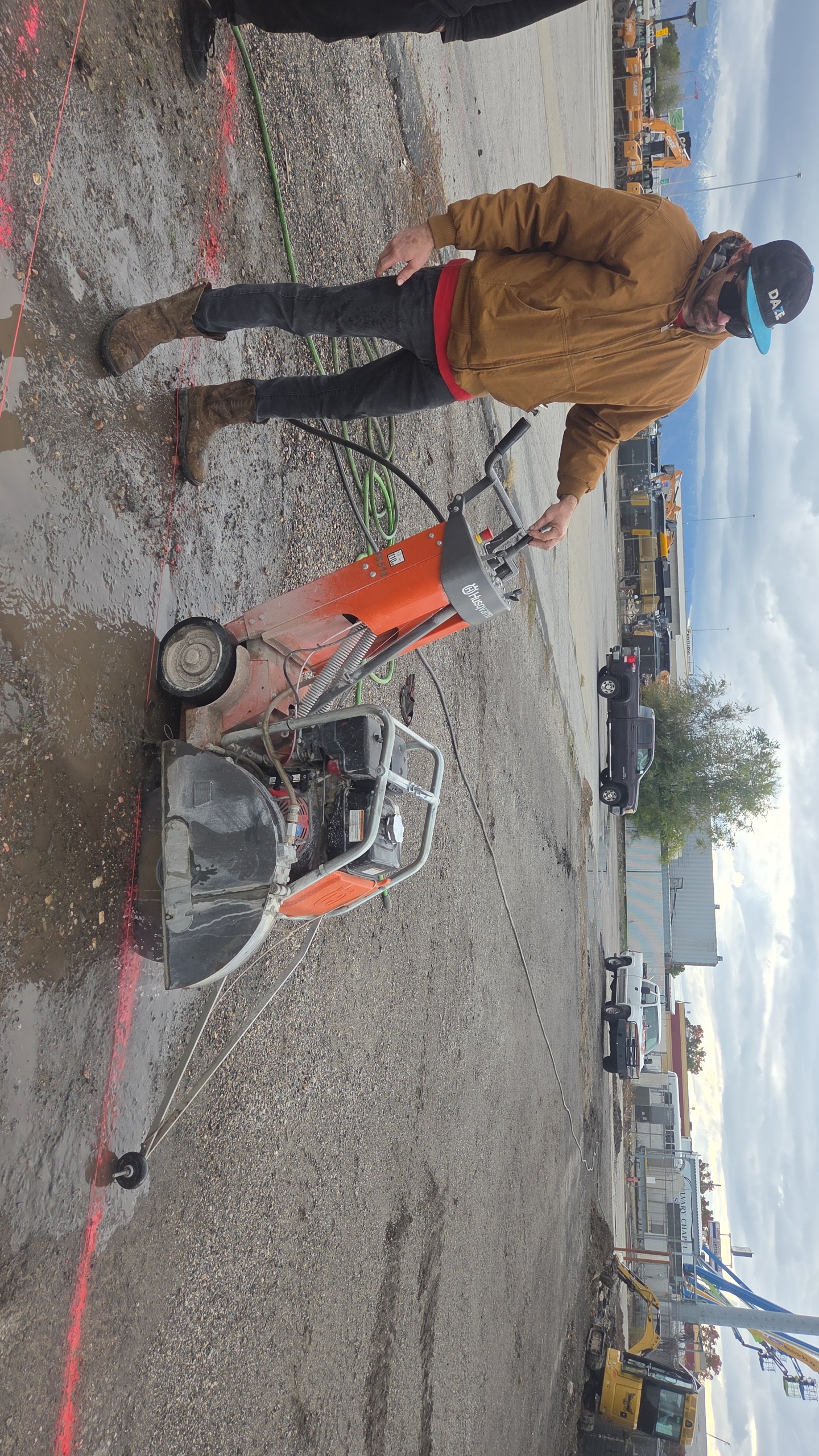
Existing sites come with real constraints: paved yards, fences, stored materials, building access, and ongoing operations. We plan excavation and pavement access around the project rather than treating the trench as an isolated task.
The starting point is a site review to define the route, access requirements, existing utility coordination, and the surfaces affected by the work.
02 · Conduit pathways
A deliberate path for your infrastructure.
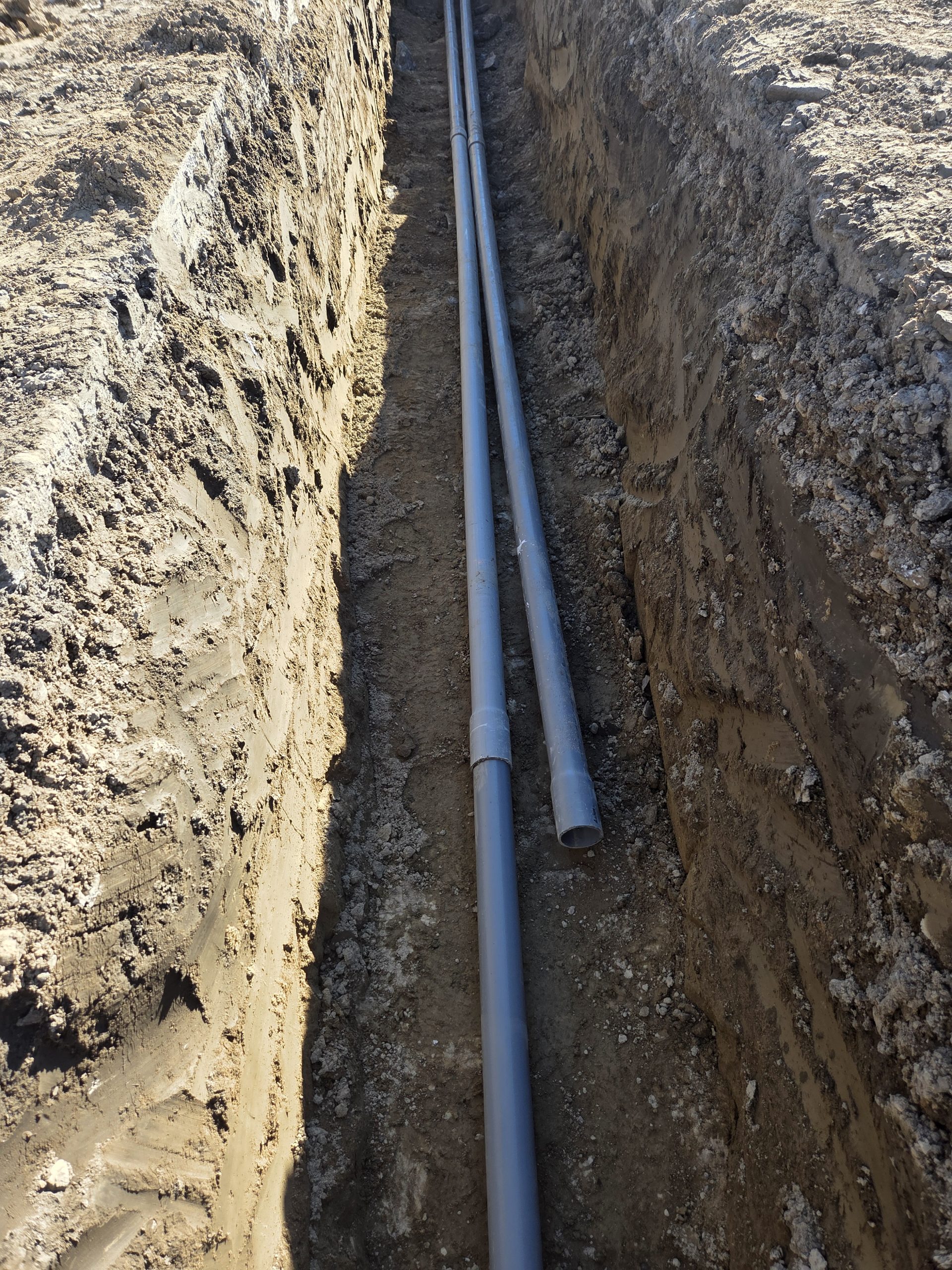
Conduit provides the physical pathway for the systems your facility depends on. We coordinate underground routing with the points where that pathway must rise, turn, enter a structure, or connect to the next part of the project.
Conduit selection, route details, capacity, and future needs are considered against the intended use and site conditions. The result is a scope built around your project.
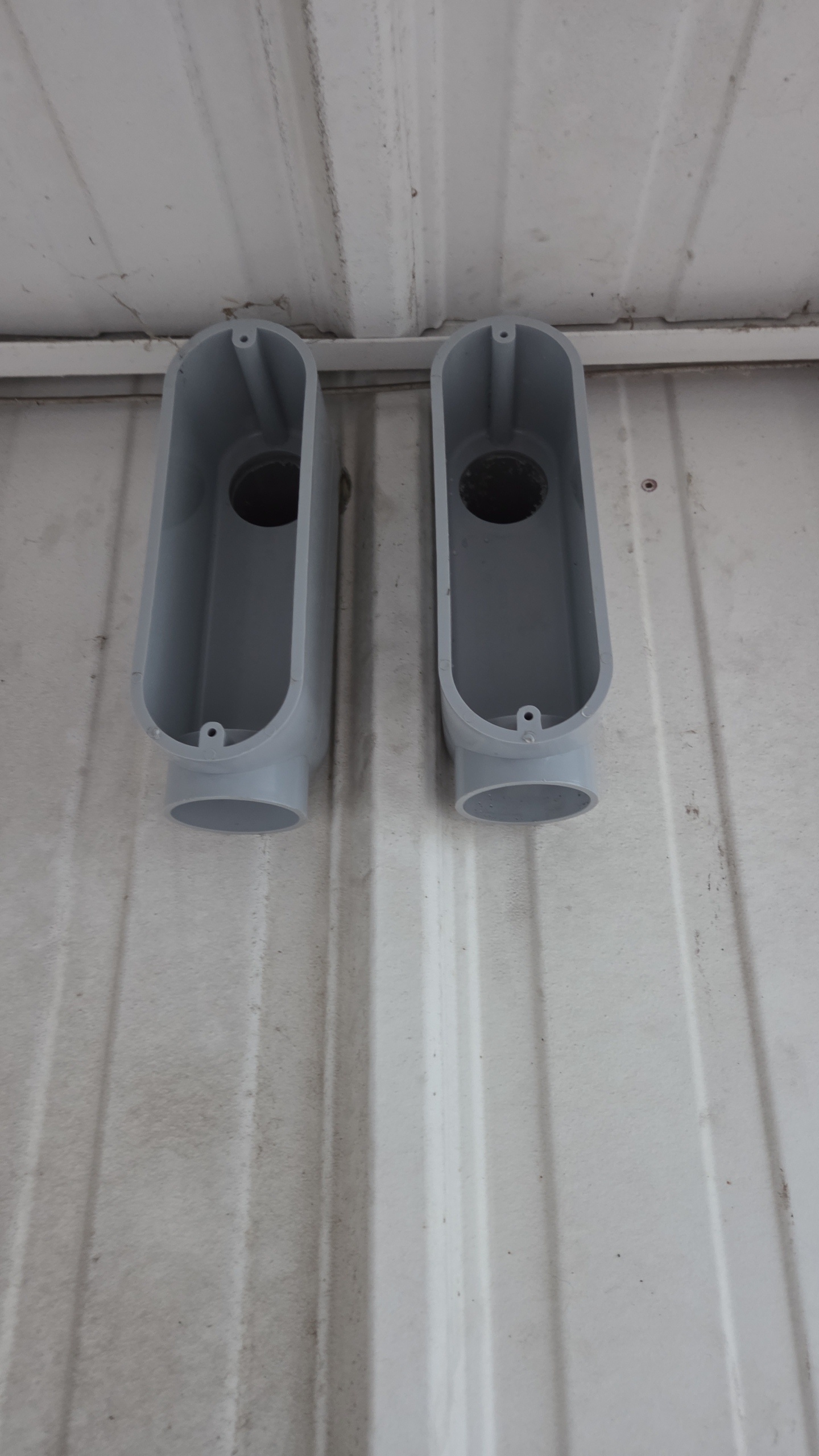
03 · Building transitions
Carry the route into the building.
The connection between site work and building work deserves the same attention as the trench itself. Entry locations, wall construction, conduit transitions, and the interior route all affect how the installation comes together.
1GC brings a construction perspective to these details, with attention to orderly routing and the cleanest practical installation for the building and its intended systems.
How we approach the work
Define the whole job before opening the ground.
Understand the site
Review the proposed route, access, surfaces, entry points, and infrastructure goals.
Set the scope
Clarify utility coordination, pathway requirements, work sequencing, and surface restoration responsibilities.
Create the pathway
Coordinate pavement access, excavation, conduit placement, and building transitions within the agreed scope.
Prepare the next phase
Coordinate the pathway with cabling and connected systems, including any separate work needed to complete the project.
Planning your project
Can you work at an existing facility?
Yes. Share the site layout, existing surfaces, access restrictions, and the points you need to connect. We will review the route and discuss how the work fits the facility.
Can this support fiber and other datacom infrastructure?
Yes. Conduit and pathway work can be coordinated with the intended fiber, copper, and connected systems. Cable installation, testing, and equipment should be identified in the project scope so each responsibility is clear.
What about pavement and site restoration?
We discuss the affected surfaces and restoration requirements when defining the job. The proposal should make clear what removal, backfill, finishing, and restoration are included and what requires coordination with other trades.
What should I send for an initial discussion?
A site address, photos, any available drawings, approximate route, entry points, intended use, and schedule are a useful start. A site review helps establish the final approach and scope.
Let’s plan the path.
Tell 1GC what you need to connect and what stands between those points.