A building survey starts with what you need to accomplish
When a tenant loses service, a warehouse needs better Wi-Fi or a second building needs a connection, the best place to start is on site. Whenever possible, 1GC walks the property with the people who operate it. As a general building and engineering contractor with an in-house information technology team, we can follow the service through the building and see how construction, network equipment and day-to-day operations affect one another.

From the street to the network rack
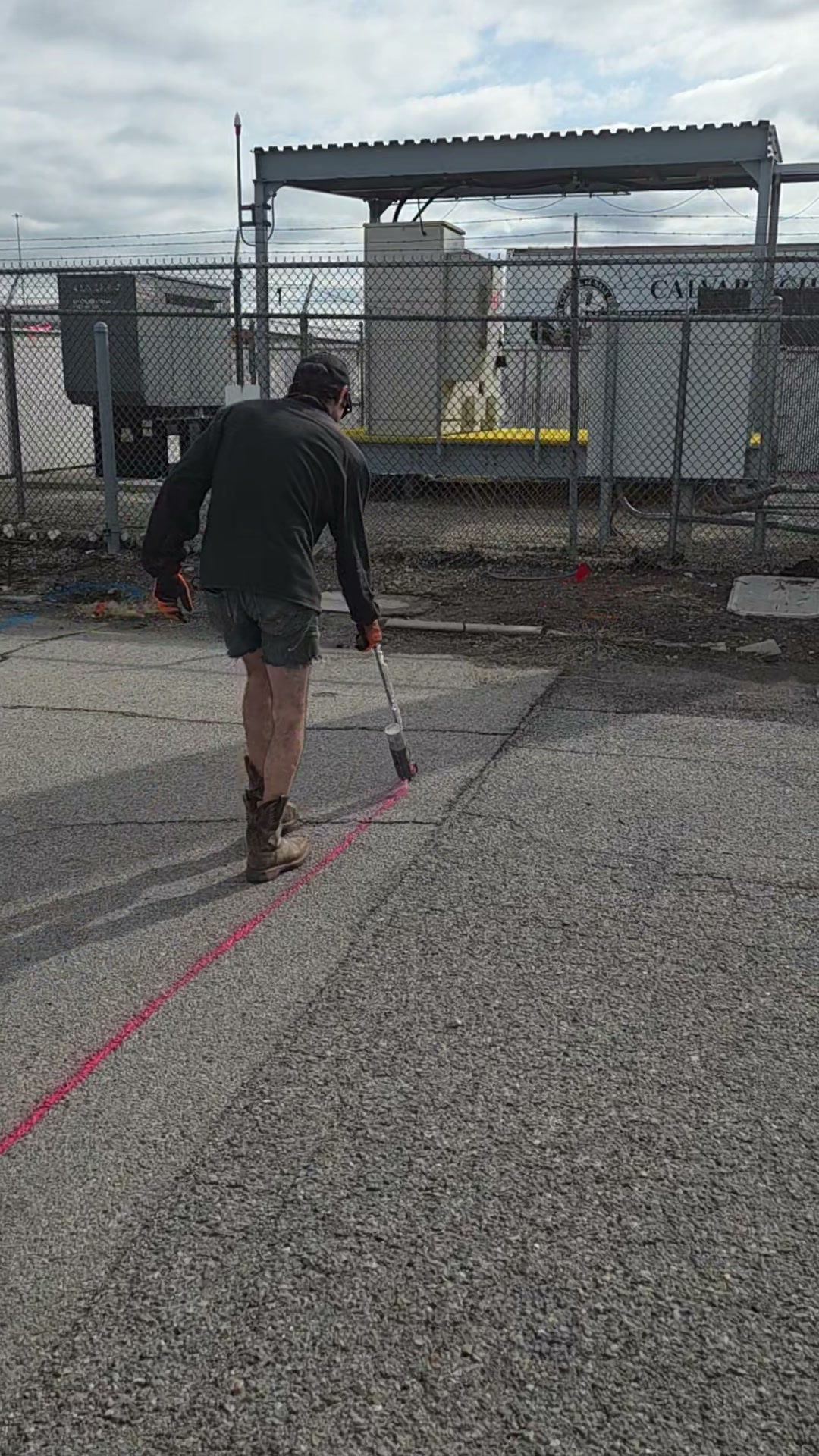
We start where the carrier reaches the property. We trace the visible route from the street to the building entrance, identify where the carrier hands service over to the customer, and follow the connection to the main network room. Along the way, we look for usable conduit, difficult crossings and places where a new pathway would disrupt occupied space. We flag concealed or undocumented routes for further verification.
Inside the building
At each network rack, we look at how incoming fiber and copper are terminated, how patch panels connect to switches, and whether staff can trace a labeled port to the room it serves. We review power, space for expansion and the links between closets. Then we visit the places where people actually experience the problem. If a conference room loses wireless service when it fills up, for example, we check the access point’s placement, its wired connection and the expected device load before recommending a change.

Test or certify the cabling
If the initial review points to a recurring or building-wide problem, we can propose focused on-site diagnostics. This testing, including CAT6 testing and certification, is a paid service. We quote it case by case and agree on the scope with you before testing begins.
To troubleshoot a copper drop, we can check continuity, wire map and pair lengths to help locate a fault. When a project requires documented proof of category performance, we can certify the installed links against the specified limits and provide results for each link tested. For fiber, we agree on the measurements the project needs, such as end-to-end optical loss. That evidence helps you decide which cable to keep, repair or replace.


A plan your facilities and IT teams can use
We bring the findings back to your original goal. Depending on the scope, the plan can include marked-up drawings of entrances and routes, rack and port references, test results, and a sequence of recommended improvements. We identify what needs attention now, what can stay in service and what can wait for a planned renovation. Your team can use that same record to budget the work, coordinate it around tenants and trace a connection the next time something changes.